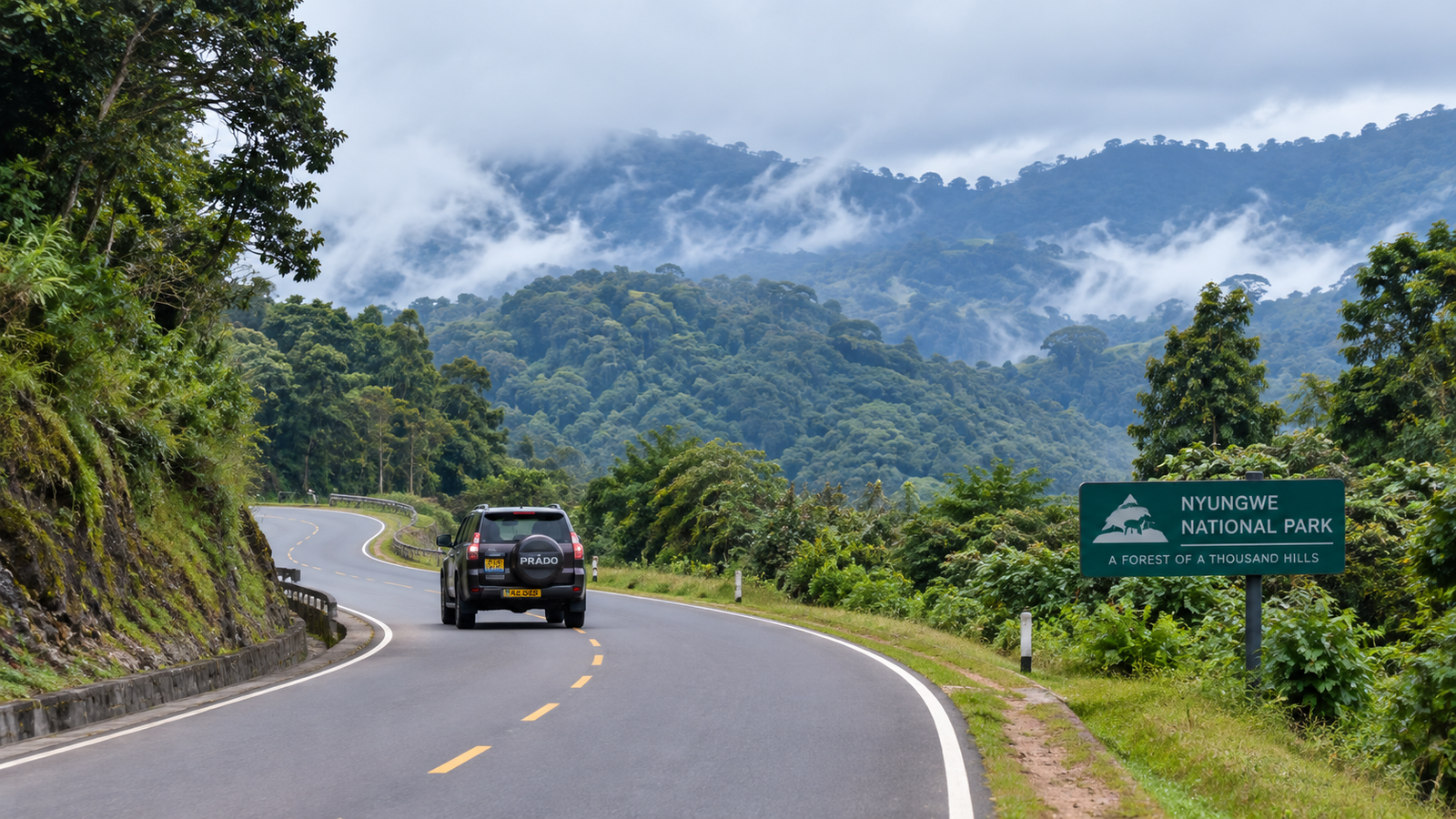
Planning to drive in Rwanda? Learn the traffic rules, speed limits, road conditions, and safety tips every visitor should know before hitting the road.
Rwanda is one of the most orderly and enjoyable countries in Africa to drive in. Main roads are smooth, traffic culture is disciplined, and the scenery of rolling hills, tea plantations, and lakes makes even a long drive feel short. But driving here is not the same as driving at home. Drivers keep to the right, speed enforcement is strict, and motorbikes, cyclists and pedestrians share almost every road.
This guide covers the rules, speed limits, road conditions, and safety tips you should know before you get behind the wheel. If you're still planning your rental, our complete guide to car hire in Rwanda explains vehicles, costs and routes.
Please note: Traffic laws, fines and licence rules can change. Use this guide as a starting point, and confirm current requirements with your rental company or the Rwanda National Police before you travel.
Basic Rules of the Road in Rwanda
- Drive on the right-hand side. Vehicles are left-hand drive, and you overtake on the left.
- Seatbelts are mandatory for the driver and all passengers, front and back.
- Avoid using a mobile phone while driving. Hands-free use is generally the safe choice.
- Use headlights from dusk to dawn.
- Children should not travel in the front seat if they are young. Use child seats where appropriate, and ask your rental company to supply one.
- Do not overtake on bends, hills or solid white lines.
- Give way at roundabouts as signposted, and expect motorbikes to filter through gaps.
- Follow police instructions at checkpoints and traffic stops.
Speed Limits in Rwanda
Speed limits are posted on signs, and they vary by road and area. As a general guide:
| Area | Typical speed limit |
|---|---|
| School and residential zones | around 40 km/h |
| Towns and urban areas | around 60 km/h |
| Open roads and highways | often 80 km/h or more, where signed |
Always follow the limit shown on the sign in front of you, because limits can change quickly when you enter a village, a market area or a school zone.
Speed cameras and police checks are common, particularly on busy routes such as Kigali to Musanze and Kigali to Huye. Fines can be issued for speeding, so watch the speedometer, especially when descending hills. If you're renting, ask your rental company how fines are handled.
Drink-Driving in Rwanda
Rwanda takes drink-driving seriously. Random breath tests take place, and the sensible rule is simple: if you drive, don't drink. If you plan to enjoy a night out in Kigali, use a taxi, a ride-hailing app or a car with a driver. Read more in our guide to Rwanda car rental with driver.
Can Tourists Drive in Rwanda? Licence Requirements
Visitors can usually drive using a valid foreign licence for a limited period after arrival, commonly up to three months. Key points:
- If your licence is in English or French, it is normally accepted.
- If your licence is in a non-Latin script (for example Arabic, Chinese or Russian), an International Driving Permit (IDP) is strongly recommended.
- Some rental companies ask for an IDP regardless, so check when booking.
- If you're staying longer or becoming a resident, you may need to convert or obtain a Rwandan licence.
Because rules can change, verify the latest requirements before you fly.
Documents to Carry When Driving
Keep these in the car at all times:
- Your driving licence (and IDP if required)
- Passport or a copy of your ID
- The vehicle registration or rental papers
- Your insurance certificate
- The rental agreement and the company's emergency number
Police may ask to see your documents at a checkpoint. Staying calm, polite and prepared makes the process quick.
Road Conditions in Rwanda
Main highways between major towns are generally well-maintained tarmac, with clear markings and good surfaces. The routes from Kigali to Musanze, Huye, Rubavu and Akagera are all paved for most of the way.
Rural and park roads can be narrow, steep or unpaved, especially in the rainy seasons. Mud, potholes and washouts are possible, so a 4x4 is recommended for Akagera, Volcanoes and Nyungwe areas, and for remote villages.
Hills and bends: Rwanda's hilly terrain means long climbs, tight curves and steep descents. Use lower gears going downhill, keep a safe distance behind trucks, and avoid overtaking on blind bends.
Weather: Heavy rain can cause slippery surfaces, reduced visibility and flooding. Slow down, and don't cross flooded roads if you can't see the surface.
Fuel stations: They are easy to find in towns and along main routes, but stations are fewer in remote areas. Fill up before long or off-road drives.
Driving in Kigali
Kigali is clean, organised and one of the easier African capitals to drive in, but a few local habits are worth knowing:
- Motorcycle taxis (motos) weave through traffic, overtake on both sides and stop suddenly. Keep your distance and check mirrors before turning.
- Pedestrian crossings are respected, so expect to stop.
- Traffic peaks in the morning and late afternoon on main roads.
- Parking is paid or designated in many central areas. Use marked spaces to avoid fines.
- Hilly streets can be steep and slippery after rain.
- Car-free days on selected Sundays may close some roads to vehicles. Check local announcements.
For more city-specific advice, read our Car Rental Kigali guide.
Rwanda Road Safety Tips
- Avoid night driving in rural areas. Lighting is limited, and cyclists, pedestrians, and livestock can be hard to see.
- Watch for pedestrians and cyclists, especially in villages and on rural roads.
- Keep a safe following distance, particularly behind trucks on hills.
- Take breaks on long drives. Distances look short on the map, but hills and bends slow you down.
- Use offline maps or GPS, as mobile signal can be patchy in remote areas.
- Plan for the weather. Check forecasts during the rainy seasons, roughly March to May and October to November.
- Don't drive when tired. Jet lag is real after a long flight, so consider a driver for your first day.
- Keep valuables out of sight and lock the car when parked.
- Respect other road users. Aggressive driving is unusual and unwelcome.
- Save emergency numbers in your phone, including your rental company's support line.
Getting Around Safely on Rwandan Roads: Approximate Drive Times
| Route | Approximate time |
|---|---|
| Kigali to Musanze (Volcanoes NP) | about 2 hours |
| Kigali to Akagera NP | about 2 to 2.5 hours |
| Kigali to Huye | about 2.5 hours |
| Kigali to Lake Kivu (Rubavu, Karongi, Rusizi) | about 3 to 5 hours |
| Kigali to Nyungwe Forest | about 5 to 6 hours |
Times vary with traffic, weather and stops. It's wise to add a buffer, especially if you have a fixed appointment such as a gorilla trekking briefing.
Should You Self-Drive or Hire a Driver?
Confident drivers who enjoy independence will find Rwanda a pleasure to explore by car. But if you're new to the country, travelling to remote areas or heading out at dawn for trekking, a professional driver can make the journey easier and safer. Many visitors mix both: a driver for the trickiest days and self-drive for the rest. See our guide to Rwanda car rental with driver for details.
What to Check Before You Drive Off in a Rental Car
- Inspect the vehicle for damage, tyre condition and working lights.
- Photograph any existing marks before leaving.
- Check the fuel level and the fuel policy.
- Confirm insurance details and the excess amount.
- Test the air conditioning, wipers and brakes.
- Make sure a spare tyre and tools are in the vehicle.
- Save the support number for breakdowns.
If you're collecting your car at the airport, see our Kigali airport car rental guide.
Choosing a Reliable Rental Company
A good company will give you a clean, well-maintained vehicle, explain local rules, provide clear insurance and support information, and answer questions before you travel. You may also want to compare other Rwandan operators, such as Karisimbi Rental, so you can choose the best fit for your route and budget.
FAQs: Driving in Rwanda
Which side of the road do you drive on in Rwanda?
The right-hand side. Vehicles are left-hand drive.
Is it safe to drive in Rwanda?
Yes. Rwanda is widely regarded as one of Africa's safer and more orderly countries for road travel. Take the usual precautions and avoid rural night driving.
What is the speed limit in Rwanda?
It depends on the road. Typical limits are around 40 km/h in school and residential areas, 60 km/h in towns, and higher on open roads where signed. Always follow the posted signs.
Are there speed cameras in Rwanda?
Yes. Speed cameras and police checks are common, especially on major routes.
Can I drive in Rwanda with a foreign licence?
Usually yes, for a limited time, commonly up to three months, if your licence is in English or French. An IDP is recommended if it's in another script. Confirm the latest rules before travelling.
Do I need a 4x4 in Rwanda?
Not for Kigali and main highways. A 4x4 is recommended for national parks, rural roads and the rainy season.
Can I use my phone while driving?
It's best to avoid it. Use hands-free or pull over safely.
What should I do if I have an accident or breakdown?
Stay safe, switch on your hazard lights, call your rental company's support number and, if needed, the police. Keep your rental agreement and insurance details handy.
Can I drive a rental car across the border?
Cross-border travel requires prior approval and extra paperwork. Ask your rental company first.
Final Thoughts
Driving in Rwanda is safe, scenic, and rewarding when you know the rules and respect the road. Follow the speed limits, carry the right documents, avoid night driving in rural areas and choose a vehicle that suits your route. Whether you prefer to self-drive or travel with a professional driver, a little preparation makes every kilometre more enjoyable.
Request your free car rental quote from Kigali Rent Car today and start your Rwanda road trip with confidence.
Tags
Recent Posts
Rent a Car Kigali: Ultimate Rwanda Driving Guide (2026)
Oct 07, 2026
Location Voiture Électrique au Rwanda | Guide 2026
Oct 02, 2026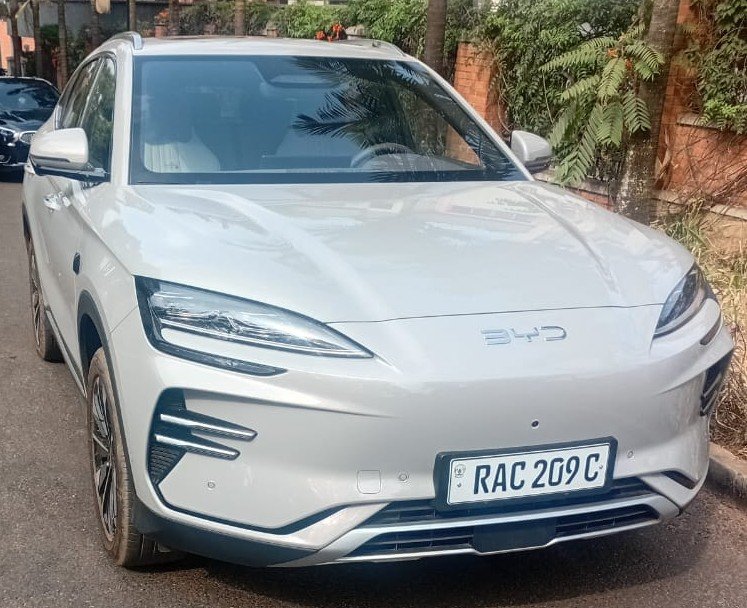
BYD Song Plus in Rwanda | Price, Specs & Rental Guide 2026
Oct 02, 2026
Electric Car Rental in Rwanda | Kigali EV Guide 2026
Oct 02, 2026
How Much Does It Cost to Rent a Car in Rwanda? 2026 Guide
Sep 30, 2026Categories
Related Articles
Rent a Car Kigali: Ultimate Rwanda Driving Guide (2026)
Oct 07, 2026
Self-Drive Car Rental Rwanda: Complete Guide for Travelers (2026)
Sep 25, 2026